

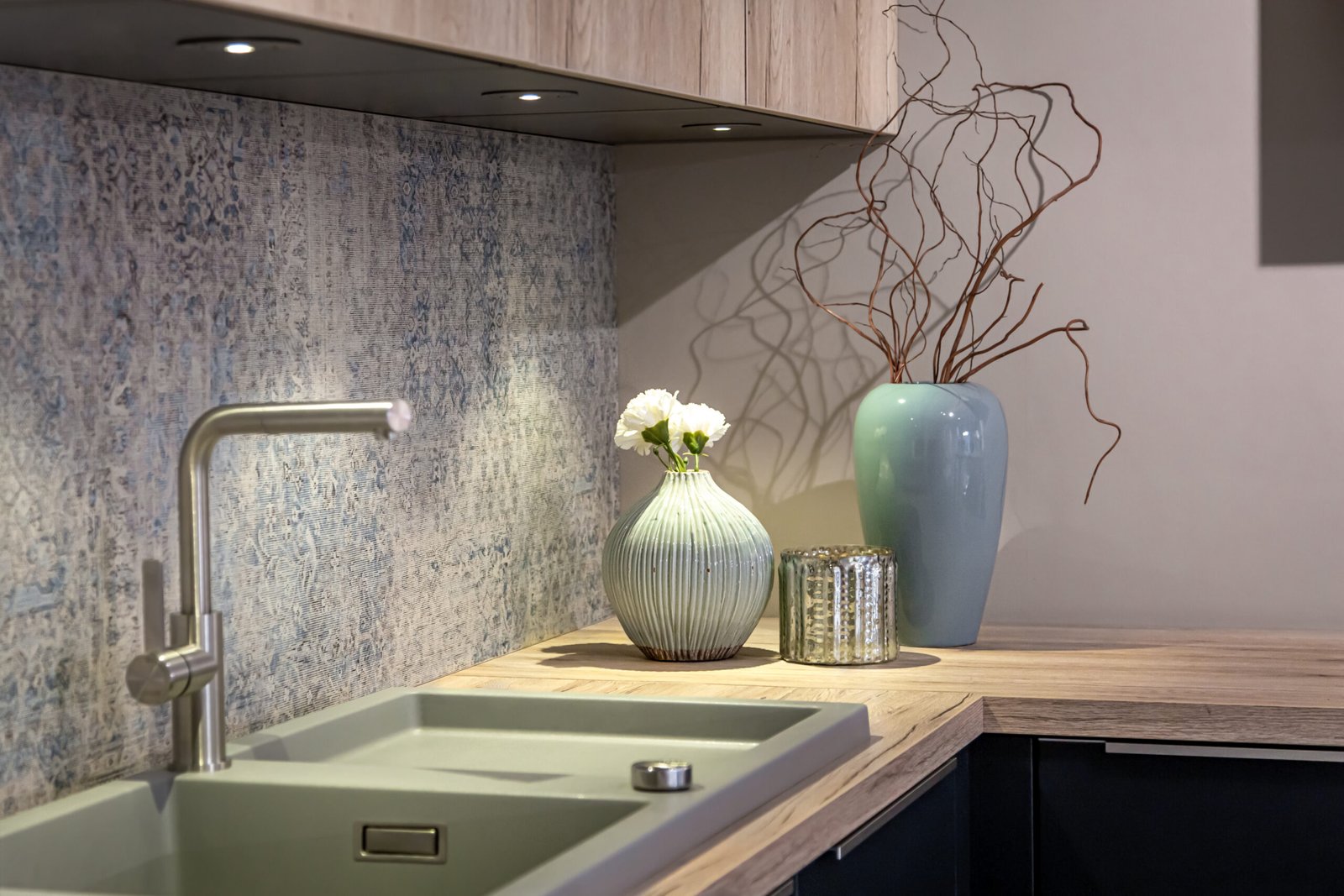
lampscaping kitchen is a focused approach to placing lamps and strip lights so task zones are safer and surfaces read true to color.
Key Takeaways
- Plan lighting in three zones task, ambient, accent then pick fixtures that match the job.
- Use high quality LED sources and position lamps to avoid glare and shadow on prep areas.
- Follow basic safety checks and simple placement rules to reduce heat and splash risk.
Table of Contents
- The Core Concept
- Step by Step Guide
- Advanced Analysis and Common Pitfalls
- Conclusion and Next Step
- FAQ
Section 1 The Core Concept
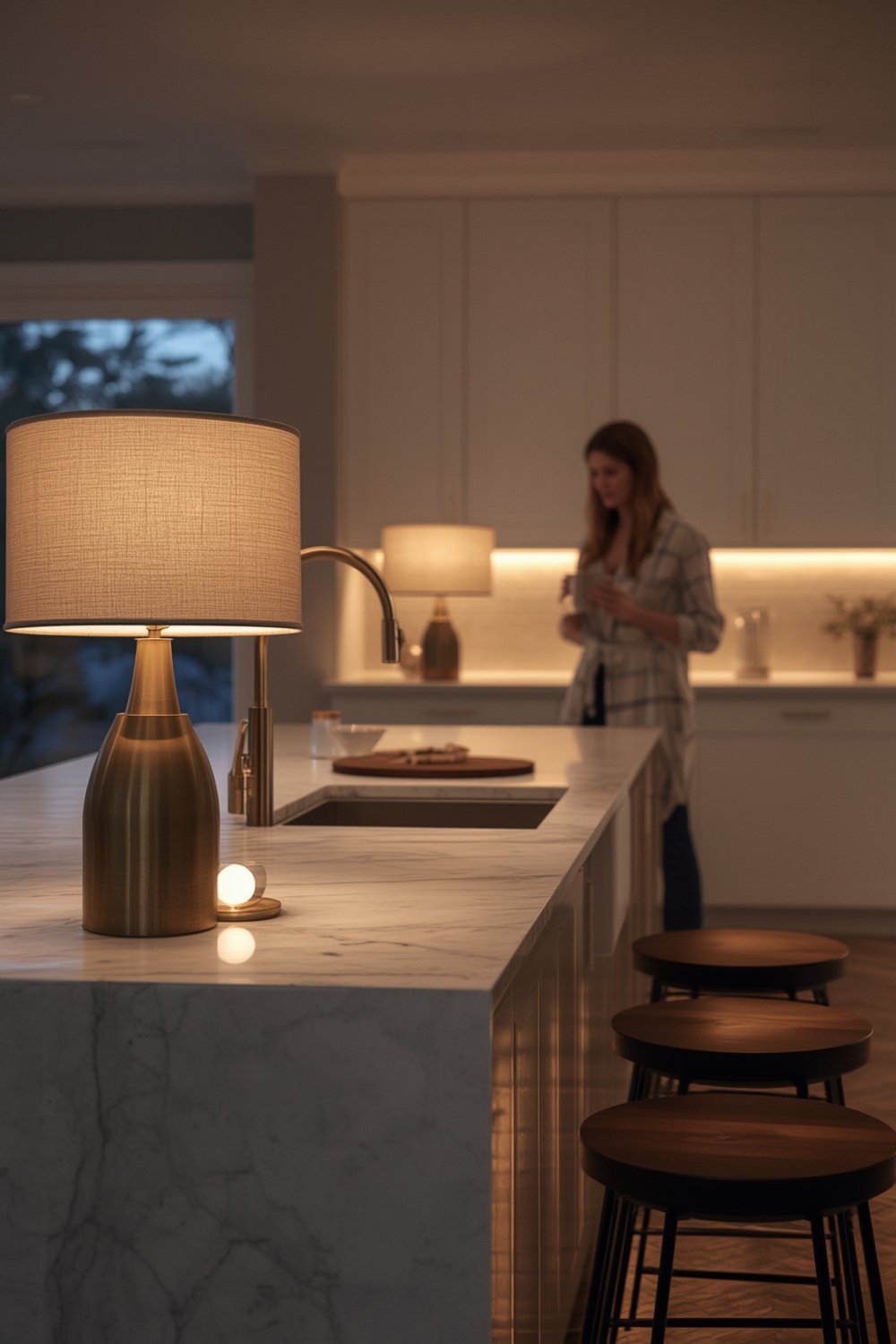
lampscaping kitchen means mapping light to tasks and materials so surfaces look correct and work zones are safe. The three zone model is simple. Zone one is task light for counters sink and island. Zone two is ambient for overall visibility. Zone three is accent for mood and to highlight texture or shelving.
Why it matters now
LED adoption now dominates kitchen lighting and online buying is accelerating. Market reports show kitchen lighting is a growing category and LED is the primary light source. See market context at these sources for planning and sourcing maximizing market research market.us kitchen lighting report and strategic market research.
Section 2 Step by Step Guide
This section gives a proven order for planning placing and testing lamp layout that fits standard kitchens and DIY updates.
Step 1 Assess and map zones
- Sketch counter sink island and open shelving. Mark heavy prep and storage areas.
- Note where appliances produce heat or steam so you can avoid direct lamp placement above sensitive areas.
Step 2 Choose lamp types
Select task lamps for counters flexible under cabinet strips for even coverage and adjustable accent lamps for display areas. Good off the shelf options include strip units and linkable modules. Examples to review include Lithonia Lighting 1 Light LED Strip Light, 4 Foot LED Ceiling Lighting Fixture, 2500 Lumens, 4000K, 80CRI, 20W, Kitchen and Garage Use (MNSL L46 1LL 120V 40K 80CRI M6) and PHILIPS Hue Indoor 10 Ft Smart RGBWW LED Solo Lightstrip Base Kit, 1 Pack, Control with Hue App, LED Strip Lights Compatible with Alexa, Google Assistant and Apple HomeKit. For compact under counter runs consider Armacost Lighting RibbonFlex Pro 24V White LED Strip Lights 60 LED/m, 3000K, 32.8 ft 145250 or linkable kits like UltraPro 10in. Linkable LED Bright Strips, 6 Pack, 1650 Lumens, 2700K Warm White Light, Low Voltage, Under Cabinet Lighting, Strip Light, Flat Plug, Grow Lights for Indoor Plants, 44415.
Step 3 Mock placement and test
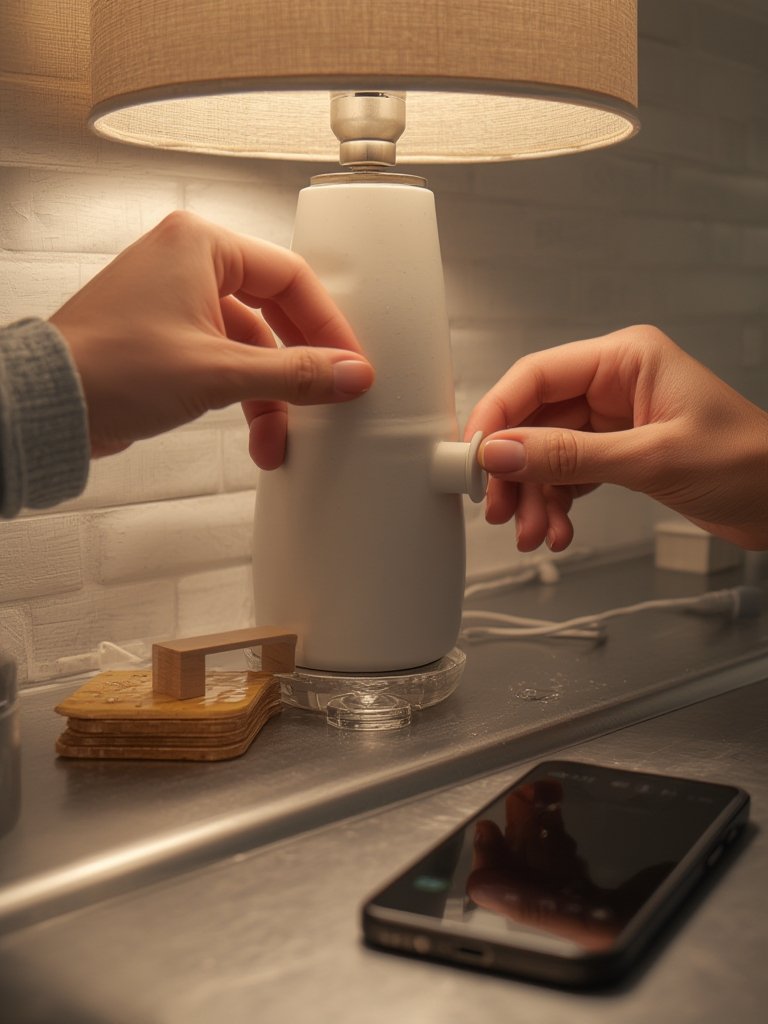
- Place a temporary lamp at planned mount points. Work at night for realistic contrast.
- Check for glare at head height and shadows on counters. Move lamps outward or inward in 2 to 6 inch increments to find sweet spot.
- Record final positions before drilling or wiring.
Step 4 Installation priorities
- Task lamps first secured firmly and powered through protected circuits.
- Under cabinet strips run behind a small lip to hide wiring and reduce splash exposure.
- Accent lamps placed so their beam does not compete with task light and so they can be on separate control circuits for scenes.
Step 5 Control and tuning
Use dimmable drivers when possible and confirm dimmer type matches LED driver. If you want smart scenes use a platform supported by the fixtures. For example you can combine strip lighting with smart controllers for simple scene control.
Section 3 Advanced Analysis and Common Pitfalls
Below are the realistic problems you will encounter and advice to reduce risk based on market reporting and practical constraints.
Common pitfalls
- Too bright single lamp that creates glare and hides texture.
- Short runs of strip light with gaps that leave uneven task brightness.
- Incorrect dimmer pairing causing flicker or reduced lifetime.
- Placing lamps too close to sinks or cooktops without proper rating.
| Issue | Cause | Quick Fix |
|---|---|---|
| Glare on prep area | Beam aimed toward eye line or reflective backsplash | Lower luminaire tilt or use diffuser to soften beam |
| Uneven under cabinet light | Strip spacing too wide or wrong beam angle | Use continuous strip or add extra modules at ends |
| Flicker when dimming | Mismatched dimmer and LED driver | Swap to LED driver compatible dimmer or install driver per fixture |
| Moisture damage | Lack of splash rating for lamps near sink | Choose fixtures with appropriate protection or move location |
Note market forecasts show strong LED adoption and online suppliers will offer many linkable modules and kits. Check specs and certifications rather than marketing copy. For product planning consult industry forecasts at market.us.
Safety checklist before final install
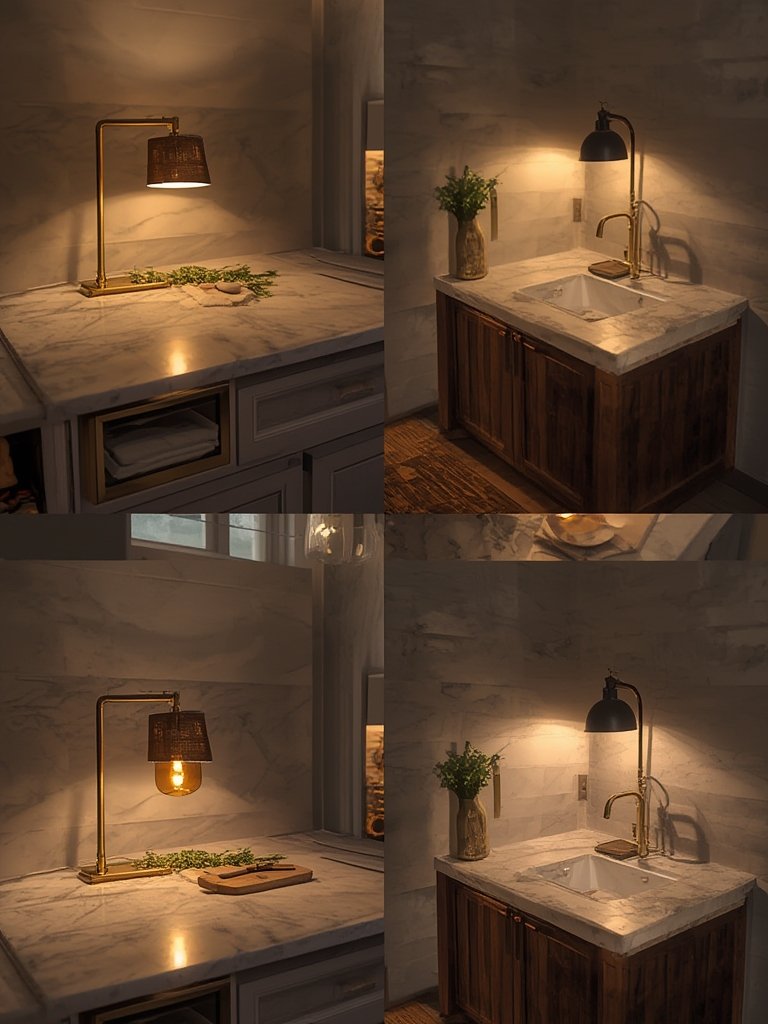
- Confirm fixture IP or splash rating for near sink locations.
- Confirm UL or ETL listing for product and driver.
- Use grommets and protected routes for wiring inside cabinets.
- Provide separate switch or circuit for high use zones when required.
Quick buying filter
When you shop pick products with clear lumen output color temperature and driver compatibility. Consider linkable kits for runs and look for modular solutions in the product pages for ease of replacement. Examples to inspect in detail include Lithonia Lighting 1 Light LED Strip Light, 4 Foot LED Ceiling Lighting Fixture, 2500 Lumens, 4000K, 80CRI, 20W, Kitchen and Garage Use (MNSL L46 1LL 120V 40K 80CRI M6) and PHILIPS Hue Indoor 10 Ft Smart RGBWW LED Solo Lightstrip Base Kit, 1 Pack, Control with Hue App, LED Strip Lights Compatible with Alexa, Google Assistant and Apple HomeKit. For builder grade under cabinet runs the RibbonFlex series by Armacost is a strong technical option Armacost Lighting RibbonFlex Pro 24V White LED Strip Lights 60 LED/m, 3000K, 32.8 ft 145250. If you need short linkable modules look at UltraPro 10in. Linkable LED Bright Strips, 6 Pack, 1650 Lumens, 2700K Warm White Light, Low Voltage, Under Cabinet Lighting, Strip Light, Flat Plug, Grow Lights for Indoor Plants, 44415.
Conclusion and Next Step
lampscaping kitchen is a low risk high impact upgrade when done with a simple plan map test tune approach. Start with a zone sketch pick LED fixtures rated for the setting test with temporary lamps then install and tune with compatible controls. If you follow the safety checks you will avoid common failure modes and get predictable results.
Ready to try it now pick one countertop task area and mock a lamp position tonight. Then order the matching strip kit or module and schedule the install.
Call to action If you want a short list of fixtures for your kitchen layout send your room dimensions and I will return a one page plan with suggested parts and placement.
FAQ
What is the best color temperature for kitchen task light?
Warm to neutral white between 3000K and 4000K is a practical range. 3000K gives warmer look. 4000K is more clinical and improves color perception for food prep.
Can I use any dimmer with LEDs?
No. Use dimmers that state LED compatibility and match driver type. If you see flicker test a small sample before full install.
Are under cabinet strips safe near sinks?
Yes if they have the proper splash rating or are mounted with protection behind a lip. Confirm IP or product spec and avoid direct exposure to running water.
How do I avoid countertop glare?
Aim task lamps so beam meets surface at oblique angle and use diffusers when possible. Lower mounting and wider beam spread reduce harsh reflections.
Where can I learn about market trends for kitchen lighting?
Market reports provide adoption and growth data. See research at maximizing market research and market.us kitchen lighting report.