

Introduction
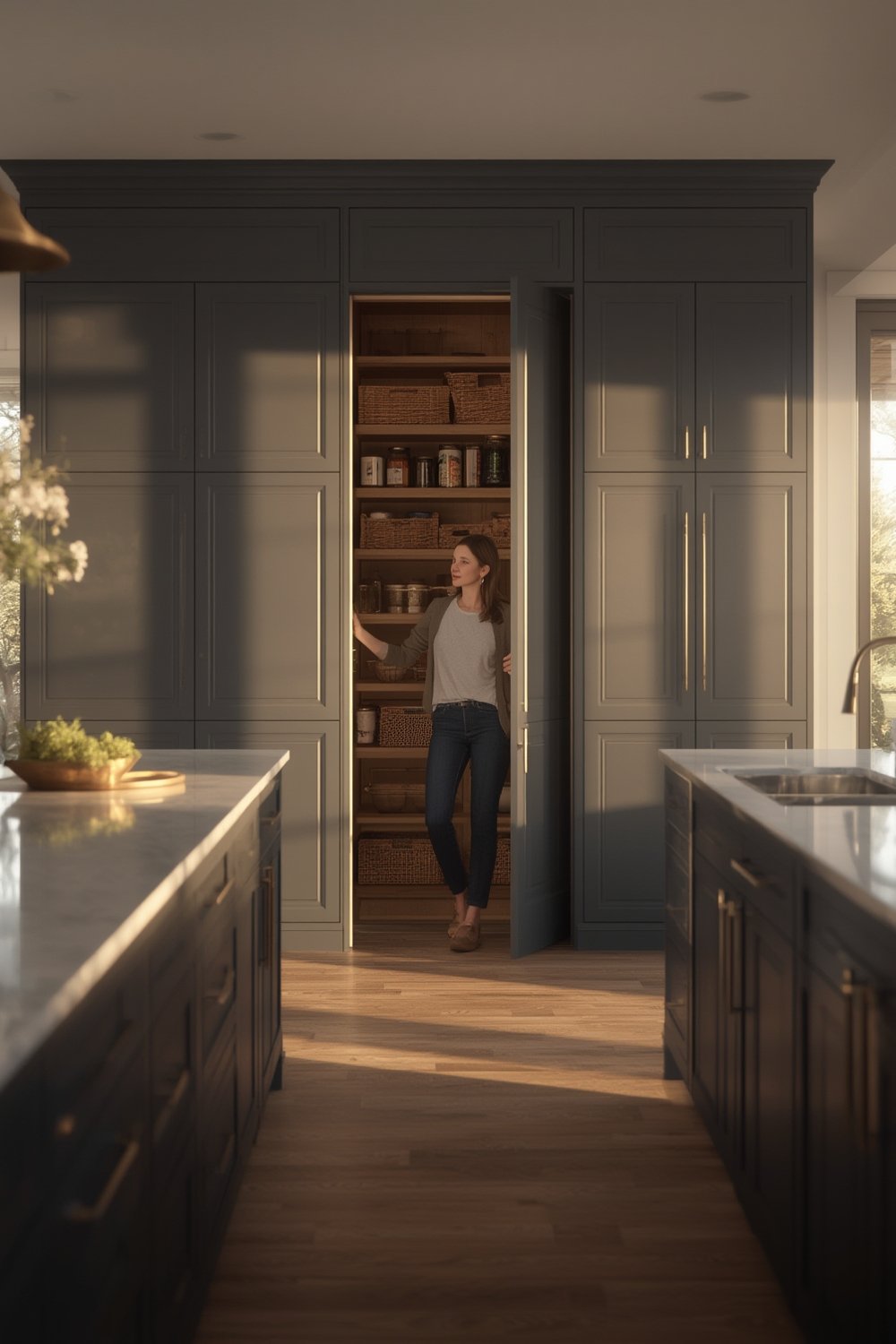
built-in pantry cabinet installations are one of the fastest ways to add organized storage and daily convenience to a kitchen while keeping a clean architectural look.
Key Takeaways
- There is no reliable public market data that isolates built in pantry cabinet sales or prices from broader kitchen cabinet reports for 2020 to 2024.
- Plan around common pitfalls such as access, hardware rating, and wasted vertical space and confirm specs with your cabinet maker before ordering.
- Follow a measured design to installation workflow to control costs and timeline and document decisions for resale value and maintenance.
The Core Concept
A built in pantry cabinet is a purpose designed cabinet or run of cabinets built into the kitchen envelope to store food items and kitchen accessories in a way that maximizes usable space and improves workflow. The goal is to make items visible and reachable and to keep the kitchen counters clear. Why choose built in over freestanding storage? Built in options integrate with the kitchen aesthetic and can use otherwise unused wall or alcove space efficiently.
Step by Step Guide
This step by step walkthrough is designed for a homeowner who wants to commission a built in pantry cabinet and reduce surprises during the project.
1. Define function and priorities
- Decide whether the pantry will hold dry goods only or include small appliances and bulk items.
- Prioritize visibility and access for daily use items and reserve high shelves for occasional items.
2. Measure and document the space
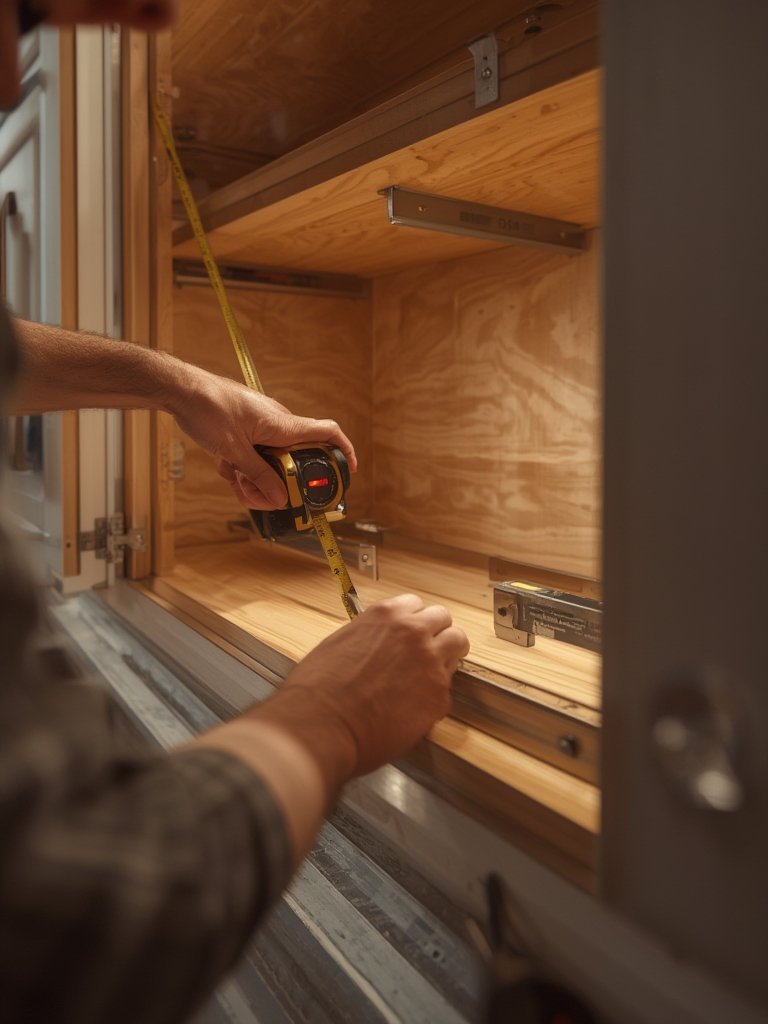
- Record wall height, clear door swing, and any plumbing or vents in the wall cavity.
- Note existing electrical and lighting needs if you plan interior lights or outlets for appliances.
3. Choose the configuration
- Options include fixed shelving, pull out trays, full width drawers, and vertical storage for baking sheets and trays.
- Consider a floor to ceiling run for maximum capacity or a shallower built in to keep circulation clear.
4. Select materials and hardware
- Spec carcass material such as plywood versus MDF based on budget and moisture exposure.
- Choose soft close full extension drawer slides and 100 pound slide ratings for heavy pull out trays used for appliances.
5. Get drawings and a line item estimate
- Ask for an itemized quote that separates materials, carcass, doors, hardware, labor, and finish work so you can compare bids.
- Confirm lead times for custom doors and hardware delivery to avoid schedule slippage.
6. Prepare site and schedule installation
- Clear the area, move food and small appliances out, and confirm access to power and lighting for the installer.
- Allow for two to five days on site depending on complexity and finish work such as trim and paint.
7. Inspect and document handover
- Check door alignment, soft close operation, drawer slide smoothness, and finish touch ups.
- Keep manufacturer and warranty documentation in the pantry for future service or resale disclosure.
Practical resource links and product examples can be helpful during selection. See product posts such as Hefty Slider Freezer Kitchen Storage Bags and Freshware Food Storage Containers 50 Set for storage examples you might place inside the finished pantry. For organization accessories check YouCopia StoraLid Food Storage Containers and YouCopia RollOut Caddy. For shelving options review Amazon Basics 5 Shelf Adjustable Rack.
Advanced Analysis & Common Pitfalls
There are recurring issues and realistic limits to expect. The public research landscape between 2020 to 2024 does not publish granular data for built in pantry cabinet units. Industry reports focus on the broader kitchen cabinet market. See market reports from Strategic Market Research and Fortune Business Insights for context Strategic Market Research and Fortune Business Insights. Additional regional context is available at Market Data Forecast and the UK kitchen furniture overview at Mintel.
Below are realistic pitfalls and how to mitigate them.
| Pitfall | Why it happens | How to mitigate |
|---|---|---|
| Poor access to stored items | Deep fixed shelves hide items at rear | Use pull out trays or tiered shelving for visibility |
| Hardware failure or sag | Under specified slide or shelf supports for load | Specify heavy duty slides and 3 4 inch shelf supports for heavy loads |
| Unplanned costs and delays | Late changes, custom doors, or missing site measurements | Confirm dimensions and finishes before ordering; get an itemized quote |
| Wasted vertical space | Uniform spacing leaves unused zones | Design variable shelf heights and appliance bays |
Cost transparency is often missing from public research for pantry specific work. Market reports do show rising inputs in kitchen cabinets and growth in North America and Asia Pacific but do not list installed pantry unit pricing. For market level context review the industry summaries linked earlier from Strategic Market Research and Fortune Business Insights.
Conclusion
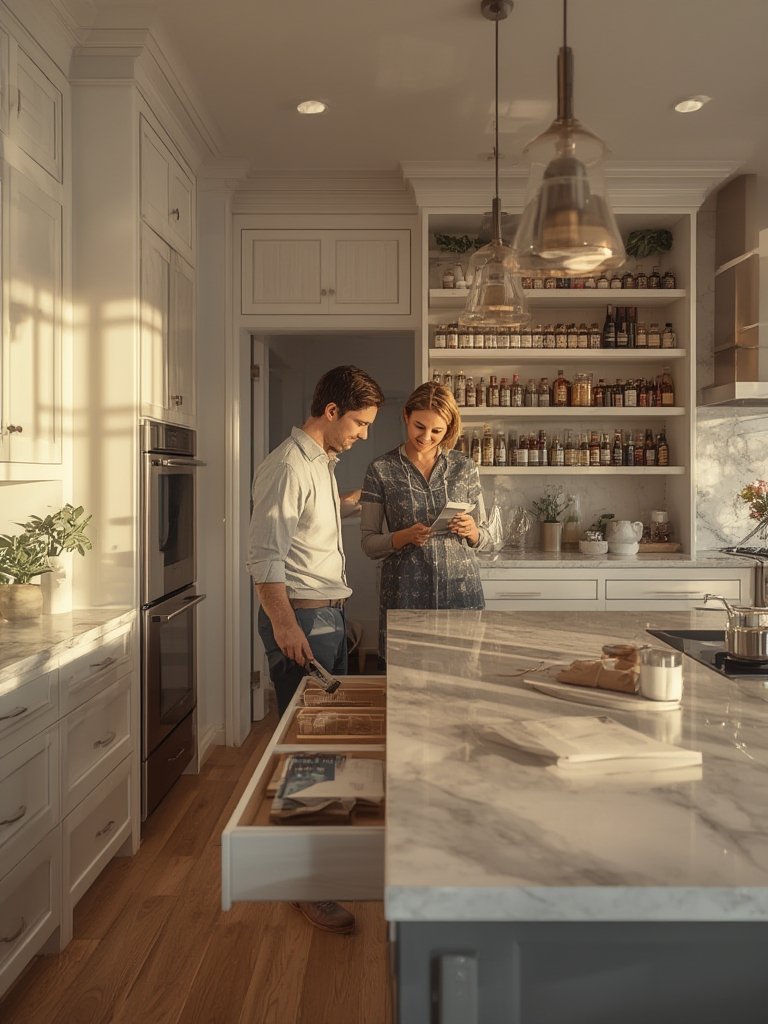
Delivering a reliable built in pantry cabinet requires clear function first, documented measurements second, and an itemized quote third. Expect common issues such as access problems, mismatched hardware ratings, and schedule slip if any step is rushed. Confirm specifications with your installer and document warranties at handover.
If you are ready to start get a measured quote and compare at least three bids. For reference and storage ideas check the organization examples and product posts we linked earlier. If you want help producing a checklist and an itemized spec sheet for your installer contact us for a consultation.
Take the next step: schedule a measured site visit or request an itemized quote from a local cabinet fabricator today. built-in pantry cabinet
FAQ
What is the typical timeline for a custom built in pantry cabinet project?
Typical timelines vary. A simple retrofit may be completed within two to five days from site prep through finish while a custom door and paint finish can add lead times of two to four weeks. Confirm lead times with your supplier.
Are there standard internal dimensions for pantry cabinets?
There is no universal standard that all manufacturers follow. Common practice is to plan shelves at depths between 12 and 24 inches depending on use and to allow clear door swing and a work aisle of at least 36 inches where the pantry opens into the kitchen.
How do I choose between fixed shelves and pull out trays?
Choose pull out trays to maximize access and visibility for deep shelves or heavy appliances. Fixed shelves are lower cost and can be effective for frequently used dry goods when combined with clear containers and vertical organizers.
Will a built in pantry cabinet add to my home resale value?
Built in storage is attractive to buyers but there is no direct published multiplier for pantry installations. Document the upgrade in your disclosure and keep receipts and warranty information; buyers perceive well integrated storage as a positive feature.
Where can I find reliable market level data for kitchen cabinets?
Public research typically covers the kitchen cabinet market broadly and not pantry specific units. Useful industry reports include Strategic Market Research, Fortune Business Insights, and Market Data Forecast which report on kitchen cabinet trends and regional growth.