


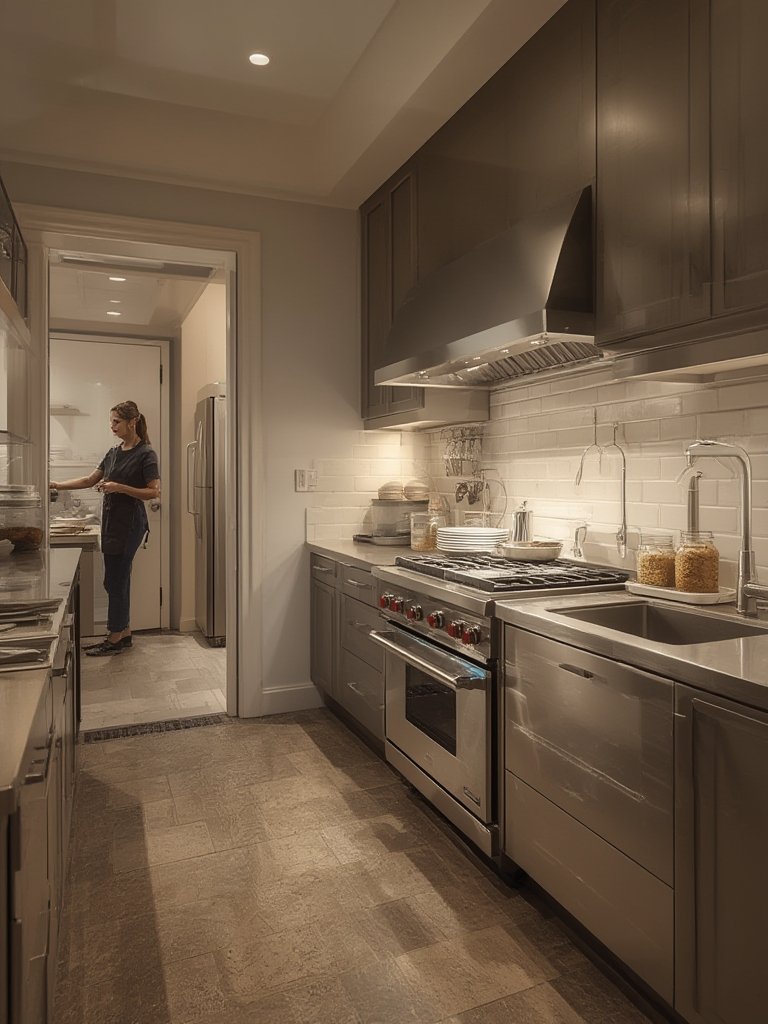
dirty kitchen is a secondary cooking or prep area designed to keep heavy cooking mess, odors, and grease out of the main living kitchen.
Key Takeaways
- Dirty kitchens isolate mess and heavy cooking but require careful planning for ventilation, drainage and appliance power.
- Expect a mid range project cost from basic conversion to full build with ventilation and floor drains; regional rates vary and official 2024 stats are limited so budget conservatively.
- Follow technical specs for hood CFM, circuit sizing, gas runs and waterproofing to avoid odors, pests and permit problems.
Table of Contents
The Core Concept
A dirty kitchen is a functional zone used for heavy prep, frying, deep cleaning and storage that keeps heat, grease and noise out of the primary kitchen and living areas.
Why use one
- Separates greasy cooking and strong odors from entertaining spaces
- Allows commercial level equipment or duplicate appliances without affecting the main kitchen
- Makes cleanup and heavy duty tasks easier to manage

Step by Step Guide
1 Choose the functional scope
Decide what the space will handle. Typical roles include heavy frying, bulk prep, large scale baking, canning and messy cleanup. The scope drives choices for hood size, floor drain and electrical supply.
2 Site inspection and permits
Have a licensed tradesperson inspect plumbing, electrical and gas. Adding plumbing or changing gas piping commonly triggers local permits. Where code clarity is missing consult the local building office.
3 Mechanical systems and hood selection
Match hood capacity to the cooktop output. As a rule of thumb for heavy wok or commercial style cooking consider 1500 to 3000 CFM hoods for strong frying loads.
Key decisions
- Ducted hoods are preferable for grease and odor removal when possible
- Recirculating hoods reduce duct work but struggle with smoke and persistent odors
- Plan make up air when hood CFM exceeds 400 CFM in airtight homes
4 Plumbing floor drains and waterproofing
Install a floor drain with at least a one inch trap and slope floors 1 to 2 percent toward drain. Use epoxy or tile finishes designed for wet service and seal junctions with waterproof membranes.
5 Electrical and gas
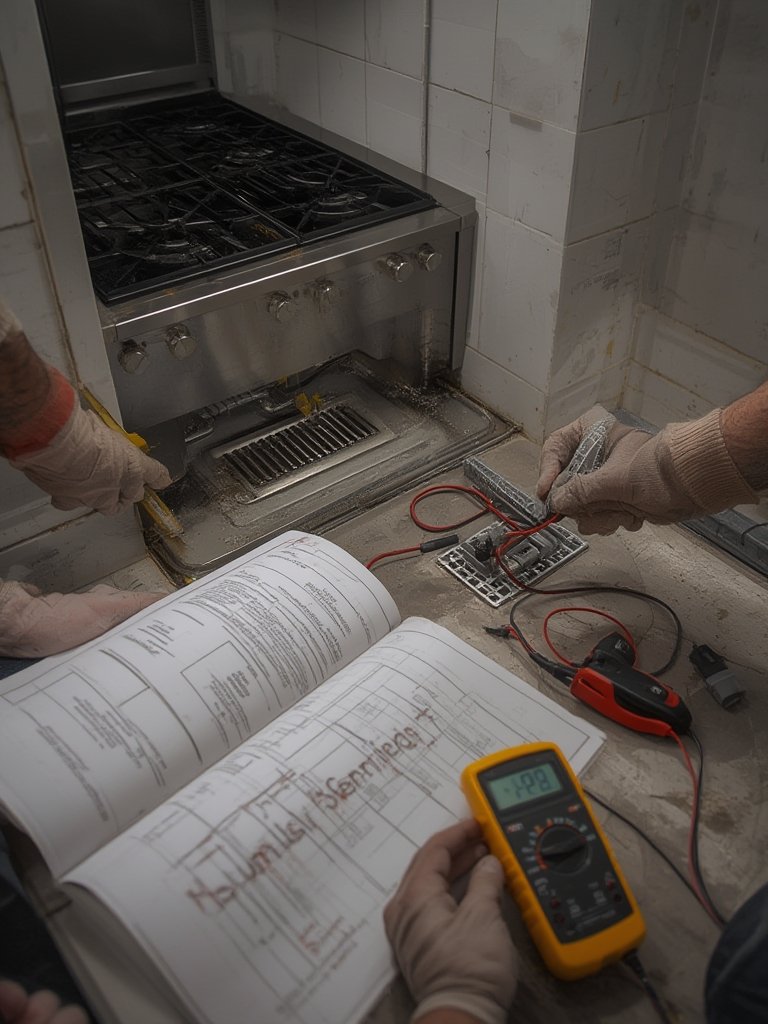
Size circuits to appliances. Typical ranges need a 50 amp dedicated circuit. Utility sinks and dishwashers require standard dedicated 15 to 20 amp circuits per local code. Gas line sizing must match appliance BTU demand and run length.
6 Appliances and finishes
Choose materials that tolerate grease and frequent cleaning. Stainless or engineered stone countertops, sealed grout, and grease resistant flooring help long term maintenance.
Mid guide shopping links
- Freshware Food Storage Containers [50 Set]
- Hefty Slider Freezer Kitchen Storage Bags Gallon Size
- OXO Good Grips POP Container 4.4 Quart
- IRIS USA 5 Shelf Storage Shelves
- Rubbermaid Dry Food Container 21 Cup7 Construction timeline and contractor coordination
- Design and permits 2 to 6 weeks depending on locality
- Demolition and rough in 1 to 2 weeks
- Mechanical, plumbing, electrical 1 to 3 weeks
- Finish carpentry, appliances and commissioning 1 to 2 weeks
Advanced Analysis & Common Pitfalls
What goes wrong most often
- Poor ventilation leads to lingering odors and grease migration
- Undergraded electrical or gas lines cause performance limits and safety risks
- Inadequate waterproofing and slope produce slow draining and mold pockets
- Choosing recirculation only can leave humidity and pests unresolved
- Skipping permits creates compliance risk and resale headaches
Research context and market signals
Publicly available 2023 and 2024 market datasets are limited. Industry commentary shows growing interest with expert panels noting higher demand for secondary prep spaces. For example a late 2024 design survey noted nineteen percent of design and staging experts flagged dirty kitchen demand in near term projections. See research notes at Fixr kitchen design trends and broader kitchen cabinet market forecasts at Freedonia Group US kitchen cabinets.
| Decision | Consequence | Mitigation |
|---|---|---|
| Low hood CFM | Persistent smoke and odors | Use ducted higher CFM hood and make up air |
| No floor drain | Water pooling and sanitation issues | Install sloped floor and trap primer |
| Recirculating hood only | Limited odor control | Add exterior venting where feasible |
Conclusion
A successful dirty kitchen isolates heavy cooking and cleanup while protecting the main kitchen from grease, noise and odors. Prioritize ventilation, waterproofing and correct electrical and gas sizing. Budget for permits and professional trades when necessary.
If you are planning a build or conversion start with a clear scope, confirmed appliance lists and a permit check. Good planning reduces surprises and long term maintenance. For more on cabinet and market trends see the Freedonia forecast and expert commentary at Fixr.
To move forward schedule an inspection, draft a short scope, and get at least two licensed trade estimates. Ready to begin? Contact a local contractor or building inspector and start the permit check now.
FAQ
What is the difference between a dirty kitchen and a butlers pantry?
A dirty kitchen is a functional work area for heavy cooking and cleanup. A butlers pantry is usually a staging and storage area for service and plating. Dirty kitchens focus on ventilation and drainage while butlers pantries focus on storage and staging.
Do dirty kitchens need floor drains?
Not always but floor drains are strongly recommended for spaces that will have frequent wash down or heavy cleaning. If you install a floor drain ensure correct slope and a trap primer to prevent trap drying and odors.
Can I use a recirculating hood in a dirty kitchen?
Recirculating hoods can work for light prep but they are inferior for heavy frying and smoky cooking. Ducted hoods are preferred for effective grease and odor removal. When ducting is impossible use the best available filtration plus increased air exchanges and localized exhaust.
Will a dirty kitchen increase my home resale value?
It can in markets where secondary kitchens are valued but hard data is limited. Expert commentary suggests growing interest in 2024 and 2025 but quantify ROI by checking local demand with realtors and recent sales.
What appliances are best for a dirty kitchen?
Pick commercial grade or heavy duty residential appliances designed for frequent use. Look for high CFM hoods, stainless finishes, and utility sinks. Balance capacity with your available power and gas supply.